From Farm Waste to Foreign
.
From Farm Waste to Foreign Exchange: Unlocking Nigeria's Banana Blossom Export Potential
Introduction: The "Yah-ah!" Moment
Imagine walking through a bustling Nigerian market and seeing a neatly packaged,vacuum-sealed banana flower. You stop and ask, "Who buys this?" The trader replies, "They export it o! To Europe, Asia, even America." That moment of surprise is a revelation. What many of our farmers cut off and discard as mere waste after the banana bunch forms is, in fact, a high-value vegetable commanding good money in sophisticated international markets. This article is your guide to turning this overlooked by-product into a new stream of income.
What Are Banana Blossoms and Why Does the World Want Them?
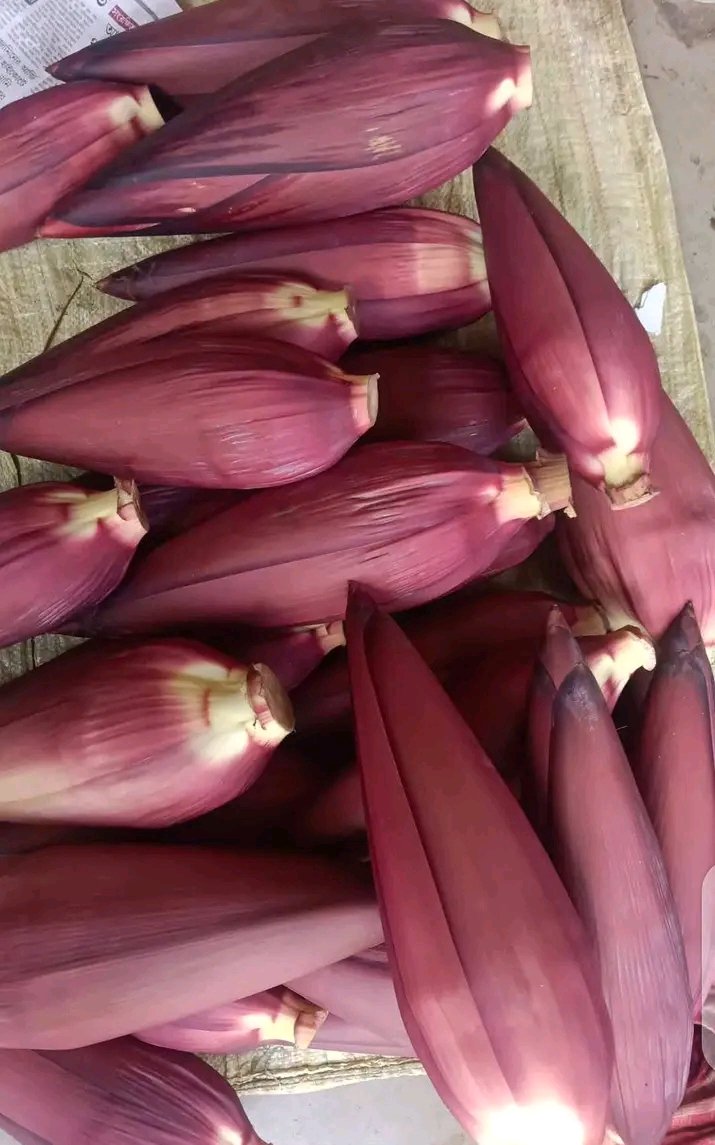
The banana blossom is the large,tear-shaped, maroon-colored flower that grows at the end of a banana fruit cluster. Before it opens, it is composed of layers of bracts that conceal tiny flowers. These bracts and the inner core are the edible parts.
Globally, they are in high demand for three key reasons:
1. Culinary Versatility: A staple in Southeast Asian cuisines (Thailand, Vietnam, Philippines, Sri Lanka), they are used in curries, salads, stir-fries, and soups. Their flaky texture when shredded makes them a popular vegan substitute for fish or pulled pork.
2. Nutritional Powerhouse: They are rich in dietary fiber, potassium, iron, magnesium, and vitamin C. They are also packed with antioxidants and compounds known to support digestive health, heart health, and blood sugar regulation.
3. The Plant-Based Boom: The global shift towards vegetarian, vegan, and health-conscious eating has created a massive demand for unique, nutritious, and sustainable plant-based ingredients. Banana blossoms fit this trend perfectly.
The Market Opportunity: From Local Waste to Global Product
For a Nigerian banana farmer,the opportunity is clear: every single banana plant on your farm already produces this potential export commodity. You incur no extra land or planting costs. The value addition comes from how you harvest, handle, and market it.
Internationally, banana blossoms are sold in various forms:
· Fresh: For ethnic groceries and restaurants.
· Processed: Canned in brine, frozen, vacuum-packed, or dried.
· Value-Added: Ready-to-cook packages, often trimmed and cleaned.
Major import markets include the UK, USA, Canada, the European Union, the Middle East, and Asian countries with large diaspora communities.
A Step-by-Step Guide for Nigerian Farmers & Exporters
1. Harvesting for Quality, Not Waste:
· Timing is Everything: Harvest the blossom after the last hand of bananas has formed but before it opens fully and becomes too fibrous. The outer bracts should be firm, tightly closed, and show no signs of rot, insect damage, or excessive browning.
· Clean Cutting: Use a sharp, clean knife or cutlass to sever the blossom stem cleanly. This prevents bruising and contamination.
2. Post-Harvest Handling: The Difference Between Profit and Loss:
This is the most critical stage.Poor handling leads to rapid browning (oxidation) and spoilage.
· Immediate Processing: Move harvested blossoms to a clean, shaded processing area immediately.
· Trimming & Cleaning: Remove the tough outer bracts (which can be used for compost or animal feed) to reveal the tender, creamy-yellow inner bracts and core. These are the prized parts.
· Anti-Browning Treatment: To preserve the colour and freshness, soak the trimmed blossoms in a solution of clean water and food-grade citric acid (or plenty of lemon/lime juice) or a light saltwater solution. This step is non-negotiable for export quality.
3. Packaging & Processing for Export:
· Fresh Export: For air-freighted fresh produce, vacuum-sealing in food-grade plastic bags is common. This removes oxygen and drastically slows spoilage. Cold chain management (refrigeration from farm to plane to market) is essential.
· Processing for Shelf-Life: To reach wider markets, consider:
· Blanching and Freezing: Briefly boiling and then flash-freezing.
· Canning: Packing in brine in sterilized cans.
· Drying: Dehydrating for use as a tea or rehydrated vegetable.
· Labelling: Packages must be clearly labelled with product name, weight, origin (Nigeria), and any handling instructions.
4. Meeting Standards & Finding Your Route to Market:
· Start Small & Collaborate: Individual farmers should not try to face export logistics alone initially. Link up with existing fruit/vegetable export cooperatives, aggregators, or agri-companies. They already have the certifications, logistics networks, and market contacts. You become a supplier.
· Understand Standards: Export markets demand food safety, traceability, and hygiene. You will need to adhere to:
· Good Agricultural Practices (GAP)
· Basic hygiene protocols (clean water, worker health, clean processing area)
· Potential certifications like HACCP, GlobalG.A.P., or organic, depending on the buyer.
· Seek Guidance: Engage with:
· The Nigerian Export Promotion Council (NEPC)
· The National Agricultural Quarantine Service (NAQS)
· State Ministries of Agriculture
· Standard Organization of Nigeria (SON)
These agencies provide training, information on market requirements, and can facilitate connections.
Profitability & The Bigger Picture
Adding banana blossom sales transforms your banana farm's economics.You are not just selling one product (fruit), but two from the same plant. This increases your revenue per hectare without proportional increases in cost. For large plantations, this can significantly boost overall profitability. It also promotes zero-waste farming, contributing to a more sustainable and circular agricultural model.
Conclusion: Your Banana Farm is Richer Than You Think
The message is clear:If you grow bananas, you are already sitting on an untapped export business. The journey from discarding blossoms in the field to packaging them for overseas supermarkets requires knowledge, organization, and partnership—not necessarily huge capital.
Stop seeing the banana blossom as waste. Start seeing it as the "Hidden Export" that can diversify your income, make your farm more resilient, and connect you to the lucrative global market for specialty plant-based foods.
Call to Action:
· Farmers: This planting season, plan to harvest your blossoms carefully.
· Aggregators/Processors: Research this product and add it to your portfolio.
· Everyone: Visit FarmersHub.com.ng for more resources or to connect with others interested in this venture.
Let’s turn this "yallah" into "yes, we export!"
Comments (0)
Loading comments...