The Complete Guide to Constructing Your Poultry House: A Foundation for Success
The Complete Guide to Constructing Your Poultry House: A Foundation for Success
Starting a poultry farm is an exciting venture, but its success hinges on one critical foundation: a well-constructed poultry house. Think of the poultry house not just as a shelter, but as a life-support system for your birds. It controls their climate, protects them from danger, and directly impacts their health, growth, and productivity. This guide will walk you through the essential steps and considerations, using simple, actionable language.
1. The Golden Rule: Comfort & Protection
Your poultry house must be a sanctuary. Its primary job is to shield your flock from harsh weather—beating rain, cold drafts, and direct, scorching sunlight. A comfortable bird is a healthy, thriving bird. Never underestimate this basic principle.
2. Space is Everything: Avoid Overcrowding
Cramming too many birds into a small space is a recipe for disease, stress, and poor growth. Follow these simple stocking density rules:
· For Egg-Layers: Provide 1 square metre for every 6 hens. This gives them enough room to move, access feeders, and lay eggs comfortably.
· For Broilers (Meat Birds): You can stock denser at 1 square metre for every 11 birds, as their growth cycle is shorter.
3. Design & Orientation: Let Nature Work for You
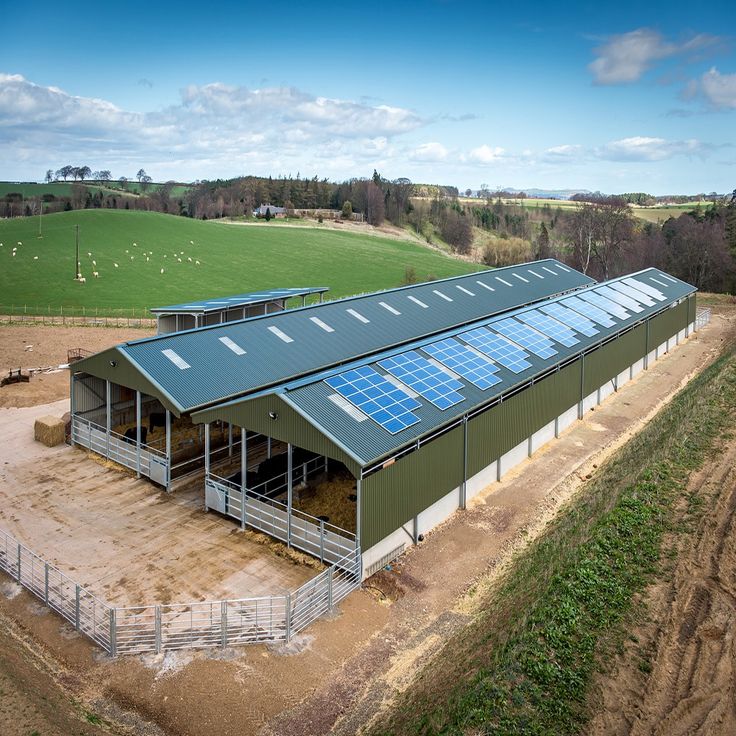
· Shape: Always build a rectangular house, not a square one. A rectangle promotes better air flow. The width should be 7-9 metres, while the length can vary based on your land size.
· Walls: Build a solid wall only up to 3 feet (about 1 metre) high on the longer sides. The rest of the wall, up to the roof, should be covered with wire mesh. This solid lower wall protects birds from drafts and splashing rain.
· Orientation: Position the length of the house facing East-West. Why? This prevents the harsh midday sun from blazing directly into the sides of the house, keeping it cooler. Direct sun rays striking the birds is harmful.
4. Choosing Materials: Smart Investments
· Lower Wall: Use durable, local materials like bricks, stones, timber, or iron sheets.
· Wire Mesh: This is crucial. Avoid plain chicken wire as it rusts quickly. Invest in a plastic-coated wire mesh. It lasts much longer and effectively keeps out wild birds, rats, and predators. Ensure the holes are small enough to block chicks from escaping and rodents from entering.
· Roof: Go for a high, pitched roof (slanted) with a reflective surface (e.g., shiny iron sheets or aluminium) to deflect heat. The roof must overhang the walls generously to keep rain out. The centre (pin) should be about 8 metres high, and the sides (eaves) about 5 metres high. This creates an airy loft that traps heat away from the birds.
5. The Floor & Biosecurity Basics
· Flooring: A smooth concrete floor is the best choice. It is easy to clean, disinfect, and prevents pests from burrowing in. Once concreted, avoid putting soil or litter ("nil") directly on it; instead, use a thick layer of absorbent bedding material like wood shavings.
· Foot-Bath: At every entrance, place a wide, shallow basin filled with disinfectant. Everyone must step in it to clean their footwear. Make it at least 1 metre wide—too wide to jump over! This stops diseases from being walked in.
· Vegetation Control: Clear all grass, weeds, and bushes in a 3-5 metre radius around the house. This removes hiding places for snakes, rodents, and insects.
6. Water, Feed, and Location
· Water Tank: Your design must include a raised water tank inside the house (e.g., on a stand). Storing water outside under the sun makes it warm and unpalatable. Cool, fresh water encourages drinking and prevents heat stress.
· Feed Store: Never store feed inside the bird living area. Build a separate, sealed room or store to keep feed. This dramatically reduces the smell that attracts rats and mice.
· Location: Build in an isolated area, away from other farms, main roads, or markets, to minimise disease risk from outside.
7. Security is Non-Negotiable
· Fence: Erect a perimeter fence around the entire poultry house area. This keeps out stray animals, unauthorised visitors, and thieves.
· Lock the Doors: Always. No exceptions. Control every entry and exit.
8. The Golden Management Rule: "All-In, All-Out"
This is the most important practice for disease control. It means you raise birds of the same age together in one house. When they are sold or their cycle ends, you remove all birds at once. You then thoroughly clean and disinfect the entire house and leave it empty for 1-2 weeks before introducing a new, same-aged batch. Mixing birds of different ages in one house is a sure way to spread persistent diseases.
Final Advice for the New Farmer
Building your poultry house correctly from the start saves you countless problems and money later. It is the bedrock of your farm's biosecurity—the system that keeps your birds safe from germs. Take your time with the planning, invest in good materials like plastic-coated mesh, and stick to these guidelines. Your future flock will thank you with robust health and excellent productivity.
Written by Adeboye Prince Adetu for FarmersHub.com.ng
Comments (0)
Loading comments...