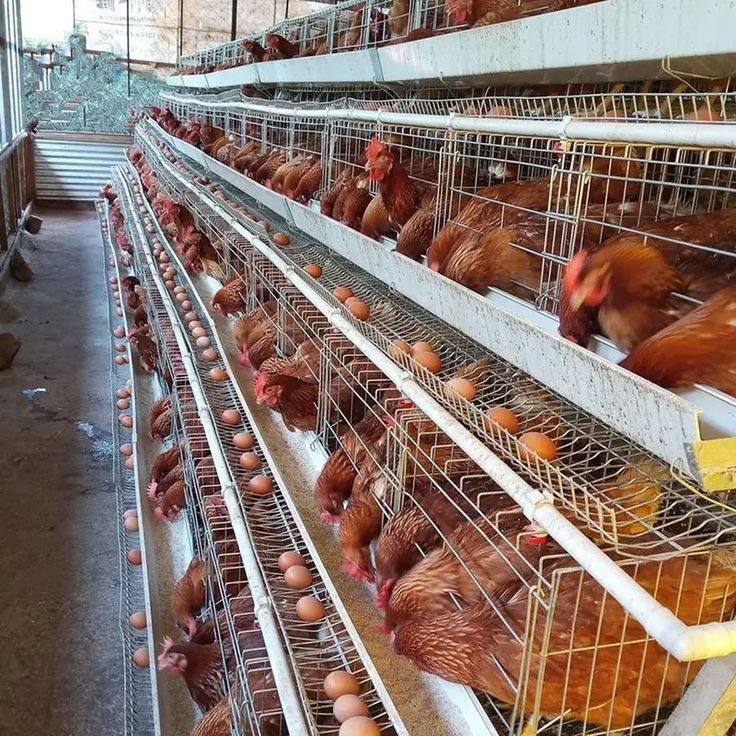
LAYER HEN
This Christmas most of our mothers went to the market and specifically bought "layers".
Do you know why?
Here are some interesting and Enlightening facts about layers.
1) A high-production layer hen can produce approximately 250 to 300 eggs per year, averaging an egg every 24 to 26 hours.
2) Modern commercial white egg layers are primarily descended from the White Leghorn breed, which originated in Italy and is known for high efficiency.
3) The color of a hen’s egg is purely genetic; white-feathered hens with white earlobes typically lay white eggs, while red-feathered hens with red earlobes lay brown eggs.
4) Layer hens are incredibly efficient at converting feed into eggs, but their bodies prioritize egg production so much that their bones can become brittle from calcium depletion.
5) The domestic chicken is the only poultry species used globally for large-scale egg production.
6) A hen will rotate her egg up to 50 times a day during incubation to prevent the embryo from sticking to the shell and ensure proper development.
7) The egg industry uses specific breeds (like Rhode Island Reds or Plymouth Rocks) for brown eggs, as consumer preference often dictates the color, not the quality of the egg.
8) Egg-laying is heavily influenced by light exposure; commercial farms often manipulate the lighting schedule to encourage consistent year-round production, as hens naturally lay fewer eggs in the short days of winter.
9) A hen will typically lay her first egg when she is around 18 to 20 weeks old (about 4 to 5 months), depending on the breed and environment.
10) In a flock’s social structure (the pecking order), a dominant hen gets priority access to nesting boxes and food, leading to better egg production for the top birds.
11) The average commercial layer hen has a productive lifespan of about one to two years before her production significantly drops and she is retired from laying.
12) Layer chickens are known for their intelligence and can remember the faces of other chickens and people for years.
13) “Spent hens” (those whose egg production has declined) are typically used for processed meats because they are tougher and less meaty than the specialized broiler chickens bred for meat consumption.
14) The size of the egg generally increases as the hen gets older.
15) Some layer breeds have been selectively bred to lay colored eggs, such as blue or green, like the Ameraucana or Araucana breeds.
When next you see layers, make sure to remember these facts about them.
Happy Holidays
Lanre NaijaFarmer
Comments (0)
Loading comments...