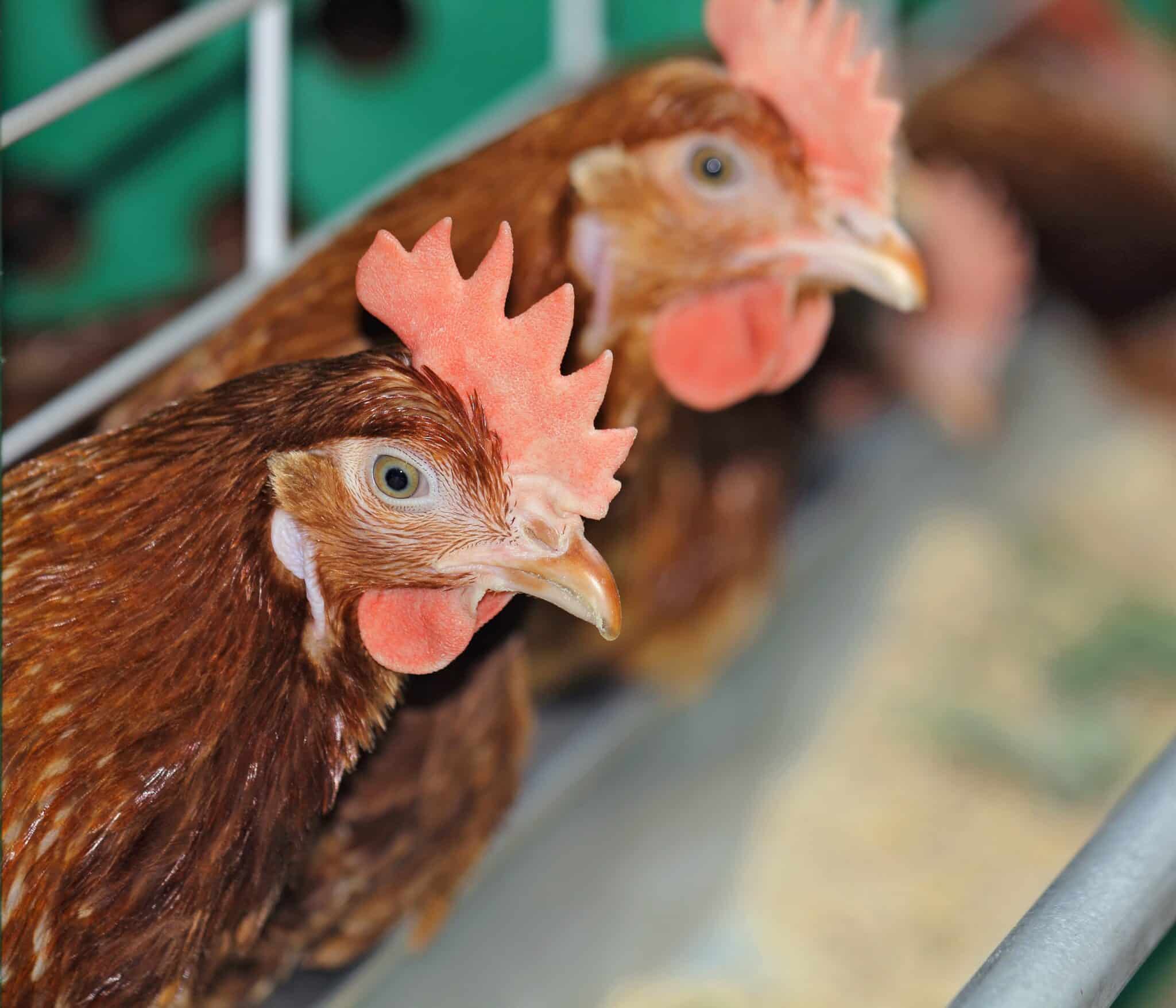
MANAGING LAYER CHICKEN HEALTH CHALLENGES
MANAGING LAYER CHICKEN HEALTH CHALLENGES: A PRACTICAL GUIDE FOR NIGERIAN POULTRY FARMERS
A comprehensive case study on managing heat stress, pecking disorders, and disease outbreaks in laying hens
Introduction
Poultry farming in Nigeria presents unique challenges, particularly during the hot season when temperatures soar. Many farmers face complex health issues that appear as separate problems but are often interconnected. This article documents a real-life case study of a 33-week-old layer flock experiencing purple combs, feather pecking, cannibalism, and sudden death — and provides practical, proven solutions.
Section 1: Understanding the Purple Comb
What It Means
A healthy laying hen at peak production (33 weeks) should have a bright red, warm, and firm comb. A purplish-blue or dark red comb is a warning sign.
Common Causes
Cause Key Indicators
Heat Stress
Panting, wings spread, increased water intake
Respiratory Infection
Coughing, nasal discharge, swollen eyes
Heart/Circulatory Issues
Purple tint without other symptoms
Mite Infestation
Tiny moving specks at vent/under wings
Heat Stress: The Nigerian Reality
In our case study, the purple combs appeared during a period of high heat and improved dramatically after rainfall — confirming heat stress as a primary factor.
How Heat Affects Layers:
- Panting releases excess CO₂, altering blood pH
- Reduced oxygen supply causes comb to darken
- Egg production drops as birds prioritize survival over laying
Immediate Cooling Measures:
- Provide shade and proper ventilation
- Offer cool, fresh water (add ice blocks if possible)
- Mist the air above birds (avoid soaking feathers)
- Reduce stocking density
Section 2: The Pecking Problem
Why Chickens Peck Each Other
Birds peck for specific reasons — understanding the trigger is key to solving the problem.
Our Case: Vent and Back Pecking
Root Causes Identified:
Trigger Consequence
Overhead water source leaking Wet feathers (abnormal appearance)
Water dripping on backs Skin irritation and loose feathers
Diarrhea from infection Sticky, soiled vent feathers
Protein deficiency Birds eat pulled feathers
Heat stress Increased irritability and aggression
The Deadly Cycle:
Wet/soiled feathers → Birds peck at abnormality → Skin breaks → Blood appears →
More birds join pecking → Cannibalism → Death
Types of Pecking Behavior
Behavior Harm Level Primary Cause
Gentle feather pulling Low Boredom or wet feathers
Feather eating Medium Protein deficiency
Vent pecking High Diarrhea or prolapse
Cannibalism (flesh eating) Very High Bleeding wounds, overcrowding
Section 3: Antibiotic Treatment Protocol
Choosing the Right Medication
In our case, Enrofloxacin 10% (Enrozact-17) was used. This broad-spectrum antibiotic treats:
- Chronic Respiratory Disease (CRD)
- Fowl Cholera
- Colibacillosis (E. coli infections)
- Salmonella infections
Correct Dosage
Bird Type Dosage Duration
Layers (33 weeks) 1ml per 1–2 liters of water 3–5 days
Critical Egg Withdrawal Period
Important: Enrofloxacin residues remain in eggs.
- Discard eggs during treatment
- Discard eggs for 7 days after last dose
- Meat withdrawal: 7–14 days (check label)
Section 4: Vaccination Timing
Lasota (Newcastle Disease) Vaccine
Key Rule: Never mix Enrofloxacin with Lasota vaccination.
Day Action Reason
Day 1 Give Lasota vaccine Stimulates immune response
Days 2–4 Vitamins + water only Let vaccine settle
Day 5 onward Start Enrofloxacin + vitamins Antibiotic won't interfere with immunity
Why Wait 48 Hours?
Scientific studies show Enrofloxacin can reduce immune response to Lasota vaccine. The 48-hour gap ensures:
- Maximum antibody production
- Effective disease protection
- Reduced stress on birds
Section 5: The Role of Nutrition
Protein Deficiency and Feather Pecking
Feathers are 85% protein. When birds lack protein, they:
- Pull and eat feathers from other birds
- Experience reduced egg production
- Develop poor feather quality
Using Fish Feed as Protein Supplement
Floating fish feed (30–40% protein) is an excellent, affordable option for Nigerian farmers.
How to Use:
- Soak pellets in water for 5–10 minutes
- Mix 10–15% fish feed into layer ration
- Feed for 5–7 days, then reduce to 5%
Caution:
- Store fish feed in cool, dry place (prevents rancidity)
- Don't exceed 15% (may affect egg taste)
- Provide fresh portion daily (spoils in heat)
Alternative Protein Sources in Nigeria
Source Protein Content Mixing Rate
Ground crayfish 60–65% 2–3% of ration
Soybean meal 44–48% 10–15%
Cooked scrambled eggs 12–13% Offer as treat
Snail meat + shells High Treat only
Section 6: Bitter Leaf Water as Anti-Pecking Spray
Safe Preparation
Vernonia amygdalina (bitter leaf) is a traditional Nigerian plant that works as a safe, natural pecking deterrent.
Recipe:
- Crush fresh bitter leaves
- Soak in 1 liter water for 2–3 hours
- Strain through cloth
- Pour into spray bottle
Application:
- Spray directly on pecked areas
- Spray on targeted feather areas
- Reapply daily for 3–5 days
Important Limitations
Does It Work? Effectiveness
Temporarily stops pecking ✅ Yes
Treats root cause ❌ No
Works on wet feathers ❌ No (washes off)
Safe for chickens ✅ Yes
Remember: Bitter leaf water is a temporary solution. Fix the underlying problem to stop pecking permanently.
Section 7: Holistic Management Plan
Step-by-Step Action Plan
Step 1: Immediate Crisis Management (Same Day)
- □ Isolate birds with bleeding wounds
- □ Apply gentian violet or iodine to wounds
- □ Dim lights or use red bulbs
- □ Hang distractions (cabbage, lettuce)
Step 2: Identify Triggers (Within 24 Hours)
- □ Check water sources for leaks/dripping
- □ Examine vents for diarrhea or prolapse
- □ Inspect feathers for mites
- □ Monitor behavior patterns
Step 3: Correct Environmental Issues (Within 48 Hours)
- □ Fix overhead water sources
- □ Provide proper ventilation
- □ Reduce stocking density
- □ Add dust bath areas
Step 4: Medical Treatment
- □ Continue Enrofloxacin if bacterial infection present
- □ Add vitamins/electrolytes to water
- □ Follow vaccination timing rules
- □ Observe withdrawal periods
Step 5: Nutritional Adjustment
- □ Add protein supplement (fish feed, etc.)
- □ Ensure balanced layer feed
- □ Provide calcium source for eggshells
- □ Offer fresh greens as distraction
Section 8: Disease Recognition Table
Know These Warning Signs
Symptom Possible Cause Immediate Action
Purple comb + panting Heat stress Cool immediately
Purple comb + coughing Respiratory infection Start antibiotics
Purple comb + sudden death Newcastle/Fowl Cholera Isolate, call vet
Sticky vent feathers Diarrhea from infection Clean, treat infection
Feather pulling (no blood) Protein deficiency Add protein to feed
Bloody vent/back Cannibalism Isolate victim, dim lights
Swollen face/eyes CRD or fowl cholera Start Enrofloxacin
Green diarrhea Newcastle disease Call vet immediately
Section 9: Summary Checklist
Daily Monitoring Routine
- □ Check comb color and condition
- □ Observe water intake
- □ Monitor feed consumption
- □ Inspect droppings
- □ Check for pecking injuries
- □ Note egg production numbers
- □ Listen for respiratory sounds
Weekly Maintenance
- □ Clean feeders and waterers
- □ Remove wet bedding
- □ Check water sources for leaks
- □ Assess stocking density
- □ Update health records
Section 10: When to Call a Vet
Contact a veterinarian immediately if you observe:
- Multiple sudden deaths
- Purple comb in >20% of flock
- Twisted necks or tremors
- Severe respiratory distress
- Blood in droppings
- Prolapsed vents (red tissue bulging)
Important: Reportable Diseases
In Nigeria, suspected cases of:
- Newcastle Disease
- Avian Influenza (Bird Flu)
Must be reported to:
- Federal Department of Veterinary Services
- State Ministry of Agriculture
- Local Veterinary Office
Conclusion
Managing layer chicken health requires understanding the connections between symptoms. What appears as separate problems — purple comb, feather pecking, diarrhea, and death — is often a chain reaction triggered by one root cause.
Key Takeaways:
- Heat stress is a primary killer in Nigerian poultry — prioritize cooling
- Wet feathers from overhead water sources trigger pecking — fix leaks immediately
- Diarrhea attracts vent pecking — treat infection and clean vents
- Protein deficiency drives feather eating — supplement with fish feed
- Vaccination timing matters — wait 48 hours after Lasota before antibiotics
- Bitter leaf water helps temporarily — but doesn't replace fixing the root cause
About the Author
This case study is based on practical experience managing layer health challenges in Nigerian poultry farming conditions. All protocols have been field-tested and proven effective under local conditions.
Published for farmershub.com.ng — Nigeria's premier resource for practical farming solutions.
Disclaimer: This article provides general guidance only. For specific veterinary advice, consult a licensed poultry veterinarian.
Comments (0)
Loading comments...